




















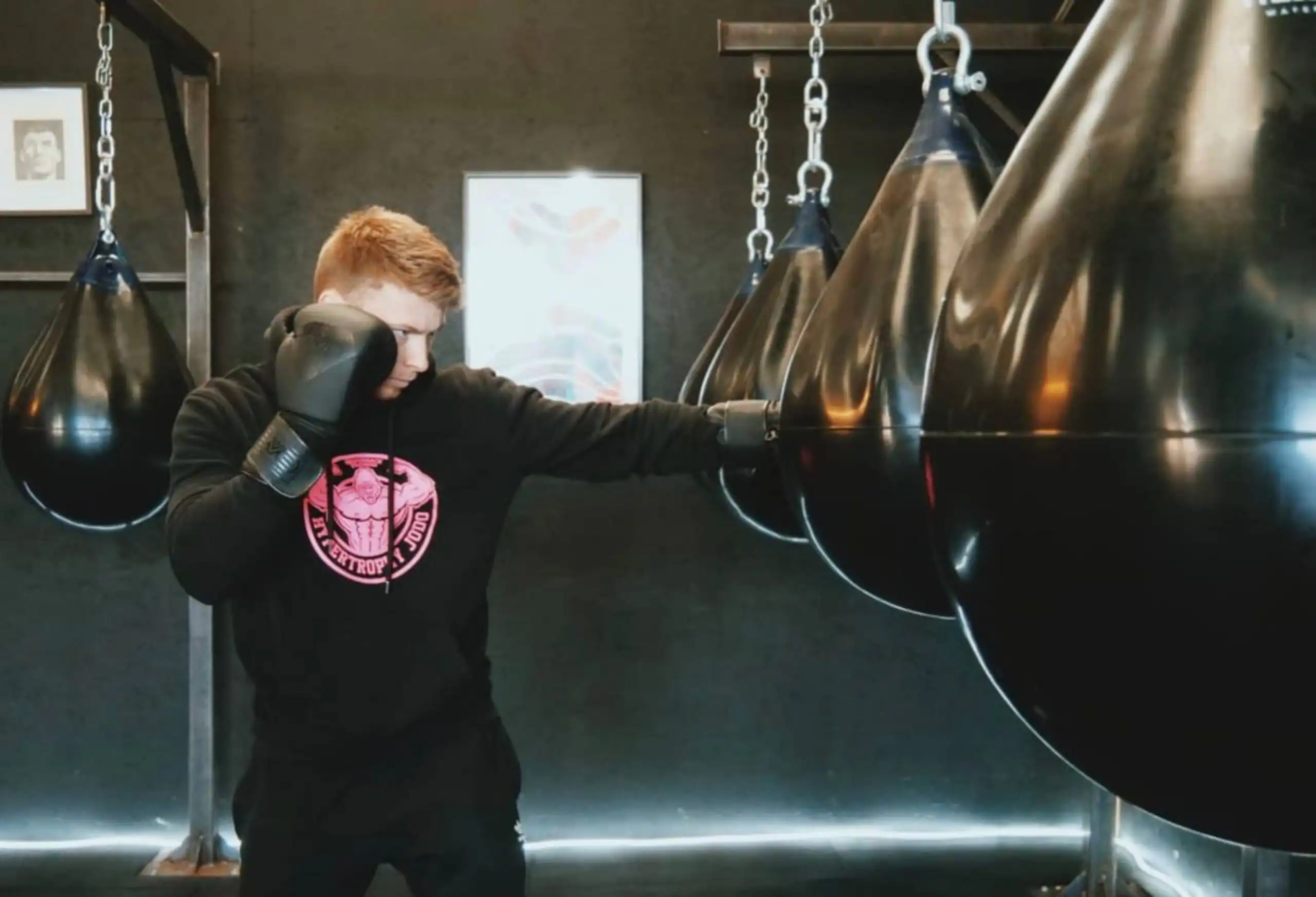
This punch bag buying guide covers the three things that decide the right bag: how you train, who will use it, and where it will go. Whether you call it a punch bag, punching bag or boxing bag, the same rules apply. A boxing club running classes all day needs something very different from a PT studio or a garage gym.
Jordan has supplied gyms, boxing clubs and PT studios for more than 35 years. Below we cover the main types of punch bag, how heavy yours should be, hanging vs freestanding, and what separates commercial bags from home bags. When you know what you need, browse our full range of punch bags.
Types of Punch Bags
Most gyms start with a heavy punch bag and add specialist bags as members progress. Each type of boxing bag trains something different.
Heavy bags (straight boxing bags)
The classic hanging cylinder and the backbone of any boxing setup. A heavy bag builds punching power, conditioning and combinations. The Hatton Boxing Heavy Bag comes in two sizes, 100cm and 130cm tall, in leather or PU. The Hatton Boxing range was developed by Ricky Hatton MBE and is exclusive to Jordan.
Freestanding punch bags
A punching bag fixed to a weighted base that sits on the floor, with no ceiling or wall fixing. They suit spaces where you cannot drill, or where kit needs moving between classes. More on these below.
Uppercut and angled bags
Shaped bags with a wider face, so you can throw uppercuts and hooks you cannot land cleanly on a straight bag. Try the Hatton Boxing Uppercut Bag.
Maize bags
Small teardrop-shaped bags hung at head height. They swing back at you, so they train head movement, slips and counters. See the Hatton Boxing Maize Bag.
Triple (3-in-1) punch bags
A straight bag, maize bag and floor-to-ceiling ball in one piece, so one hanging point covers power, angles and timing. A strong pick where space is tight. The Hatton Boxing Heavy Bag – Triple is 80cm tall and weighs 13kg.
Aqua (water-filled) punch bags
Filled with water instead of fabric or sand. They feel closer to hitting a body, absorb impact well and never settle or sag; you top them up instead. Our Heavy Hitters aqua punch bags come in 16″, 18″ and 22″ sizes, with a UV-resistant vinyl cover for indoor or outdoor use.
Speed balls and punching balls
Small, fast bags for rhythm, hand speed and coordination. A speed ball hangs from a platform; a floor-to-ceiling ball is held by cords top and bottom and rebounds unpredictably. See the JORDAN Elite Adjustable Speedball and the Hatton Boxing Punching Ball.
How Heavy Should a Punch Bag Be?
How heavy should a punch bag be? A common starting point is around half the user’s bodyweight. Too light and it swings away from every shot; too heavy and it feels like hitting a wall, which is hard on a beginner’s wrists.
| Punch bag weight | Best for |
|---|---|
| Under 20kg | Speed, technique and juniors; maize, triple and speed bags sit here |
| 20–40kg | Most home users and mixed-ability fitness classes |
| 40–50kg | Adult boxing training, heavier hitters and commercial gyms |
| 50kg+ | Power work, experienced boxers and freestanding bags, where base weight adds stability |
Length matters as much as weight. A shorter bag (around 100cm) suits punching only. A longer bag (130cm or more) gives room for body shots and, in kickboxing or MMA gyms, low kicks. The Hatton Heavy Bag is around 35kg at 100cm and 50kg at 130cm.
If one boxing bag has to serve many people, go heavier. A 40kg punch bag suits most mixed-use gyms, and a 50kg punch bag handles heavier hitters without being thrown around or wearing out early.
Freestanding vs Hanging Punch Bags
A hanging punch bag gives the most realistic feel; a freestanding punch bag wins where you cannot fix to the building. Choose based on your space first, then your training.
Hanging punch bags
A hanging bag moves when you hit it, so you train footwork, timing and reacting to a moving target. It also takes full power without walking across the floor.
You will need a secure fixing: a ceiling joist, a steel beam or a wall bracket, plus chains and a swivel. Leave at least a metre of clear space all the way round. If unsure, have a builder confirm the joist or beam can take the load.
Check a bracket’s maximum load before you buy. Our wall brackets range from 35kg up to 150kg for the JORDAN Elite Punch Bag Bracket, so a 50kg bag needs a bracket rated well above 50kg.
Freestanding punch bags
A freestanding bag needs no drilling and can be moved, so it suits rented units, hotel gyms, studios with suspended ceilings and multi-use rooms. The trade-off is that it rocks back rather than swinging, and lighter home versions can slide or tip under hard shots.
For commercial spaces, base weight is everything. The JORDAN Freestanding Punch Bag weighs 80kg and stands 1.73m tall. Its cement and foam core absorbs impact, it has been tested to 960,000 hits, and the column and base separate for delivery and storage.
Boxing frames
For several bags in one area with no ceiling fixing, a freestanding boxing frame gives you a full boxing station from one structure. The JORDAN 3 Bag Arms and Speedball Platform takes up to 40kg per hanging point and up to four people at once. For four bags, see the JORDAN 4 Bag Arms.
Quick rule: if you can fix it safely and have the space, hang it. If you cannot drill or need to move kit, go freestanding.
Commercial Punch Bags vs Home Punch Bags
A commercial punch bag is built to be hit by dozens of people a day, every day; a home bag is built for one or two users a few times a week. Buying the wrong grade costs more in the long run.
What makes a commercial punch bag
- Tougher outer material: thick leather or heavy-duty PU with reinforced stitching, so seams do not split under constant use.
- A filling that holds its shape: quality fills spread evenly and do not settle into a hard bottom and a floppy top.
- Heavier hardware: multi-point chains, a proper swivel and brackets or frames rated well above the bag’s weight.
- Easy to clean: smooth PU or leather wipes down between sessions.
- A commercial warranty: it varies by product, for example 1 year on our freestanding bag and 9 months commercial on aqua bags.
If you run a gym, boxing club, PT studio, school or hotel gym, buy commercial grade even for a single bag. Our commercial boxing bags are built for that daily use.
Choosing a punch bag for home
For a home or garage gym, you can trade some durability for price and space. Decide where it will go first: a garage beam or wall bracket for a hanging bag, or a freestanding bag if you cannot drill. A triple bag is a good all-rounder if you only have room for one. Serious home users who train most days should still look at commercial bags, as they last years longer.
Kitting out a boxing area
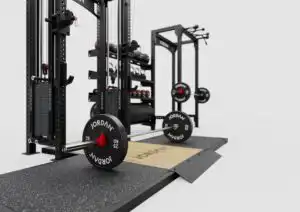
Gyms with boxing bags get the most from them when bags, frames, flooring and pads are planned together. A typical combat zone mixes heavy bags on a frame, a speed ball platform, a maize or triple bag for technique, and impact flooring underneath. Our gym design team can plan the layout for you.
Punch Bag Materials, Fillings and Accessories
Leather lasts longest and softens with use; PU (synthetic leather) costs less, wipes clean and is still hard-wearing, which makes it popular for fitness classes. Most Hatton bags come in both. Fabric fills give a firm but forgiving strike, sand-heavy fills feel harder and can settle, and water fills give an even, body-like feel that never settles.
Alongside the punching bag itself, you will need:
- Fixings: chains and a swivel rated above your bag’s weight, plus a bracket, beam fixing or frame.
- Gloves and wraps: always train with hand wraps and bag gloves to protect wrists and knuckles. See our boxing gloves and pads.
- Flooring: rubber or impact flooring under the bag area protects the floor and your joints.
- A timer: a round timer keeps classes and solo sessions structured.
For everything in one place, see our boxing and combat range.
Punch Bag Buying Guide FAQs
Which size aqua punch bag do I need: 16″, 18″ or 22″?
Start with what your ceiling or wall can take: if it can’t hold much weight, go for a smaller bag. The 16″ moves the most, so it suits footwork, fitness work and smaller users. The 18″ lets you work on footwork while landing heavier shots. The 22″ is the heaviest, made for strength work and close-range shots like uppercuts and tight hooks. Compare all three on our aqua punch bags page.
What weight punch bag should a beginner buy?
Around 20–40kg suits most adult beginners. It is heavy enough to stay put under strikes but forgiving on the wrists while technique develops.
Is a 50kg punch bag too heavy?
Not for adults. A 50kg bag is a common choice for gyms and experienced users because it handles hard hitters without swinging wildly. It does need a fixing rated for the weight.
Are freestanding punch bags any good?
Yes, if the base is heavy enough. Commercial freestanding bags with heavy bases stay put under hard training. Lighter home models can rock or slide, so check the base weight before you buy.
How high should a punch bag hang?
Hang a heavy bag so its top sits roughly at the user’s head height. That way, punches land across the top half and body shots across the middle.
How much space do I need for a punch bag?
Allow about one metre of clear space all the way around a hanging bag, plus room to move in and out. Freestanding bags need slightly less, as they do not swing.
Can I kick a punch bag?
Yes, if it is long enough to reach low and mid kicks, usually 130cm or more, and built for it. Shorter boxing bags are made for punches only.
Find the Right Punch Bag for Your Space
Whether you are fitting out a boxing club, adding a combat zone to a gym or setting up a garage gym, shop our full range of punch bags. Still not sure what you need? Get in touch with our team and we will help you choose.